The Illusion of Obsolescence: How the Tech Industry Shrinks the Window Between New and Outdated
Your device still works. The battery holds a charge, the screen is crisp, and the processor handles every task you throw at it. So why does it feel like you're already falling behind? The answer lies not in your hardware, but in a carefully engineered psychological architecture designed to make relevance feel perpetually out of reach.
For millions of American consumers currently paying off smartphones, laptops, and smart home hubs on installment plans, this experience is increasingly familiar. The device arrived feeling premium. Months later — sometimes before the 24-month financing period has even reached its halfway point — it somehow feels dated. That sensation rarely arrives by accident.
The Cosmetic Cycle and Why It Works So Well
Manufacturers have long understood that functional improvement alone cannot sustain annual purchasing cycles. Most consumers don't need a faster processor every twelve months. What they respond to is visible difference — a repositioned camera array, a subtly rounder chassis, a new color palette introduced at a splashy September keynote.
These cosmetic shifts serve a precise strategic purpose. They create a legible visual shorthand for "new" and, by extension, render the previous generation visually readable as "old." When a colleague sets a device on a conference table, the silhouette alone communicates generational standing. This is not accidental product design. It is social engineering executed through industrial design budgets.
The effect compounds when manufacturers retire certain finishes or form factors entirely. A device that looked contemporary in one color becomes a relic when that shade disappears from retail shelves and marketing materials. The hardware hasn't changed. The cultural context around it has been deliberately redrawn.
Software as a Perception Weapon
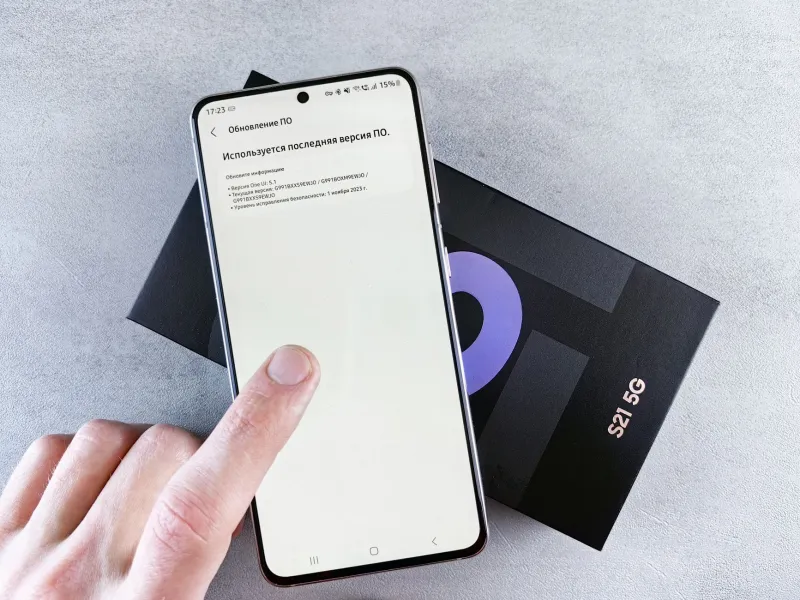
Beyond physical design, software update cadence has become one of the most powerful tools for manufacturing the feeling of obsolescence. Operating system updates frequently introduce interface elements — new icon styles, revised animation languages, redesigned control panels — that are withheld from older hardware, even when that hardware is fully capable of rendering them.
The result is a two-tier visual experience. Users on current devices see one aesthetic. Users on devices that are eighteen or twenty-four months old see another. Both interfaces are functional. Only one feels contemporary, and manufacturers control precisely where that dividing line falls.
This dynamic extends to app ecosystems. Developers, following platform guidelines and chasing users on current operating system versions, gradually optimize for newer interfaces. Older devices don't necessarily lose functionality overnight — the degradation is subtler than that. Load times drift upward by fractions of a second. Animations stutter on transitions that once felt smooth. The cumulative effect is a device that feels sluggish without any single identifiable cause.
Ecosystem Lock-In and the Upgrade Treadmill
For consumers embedded in integrated product ecosystems — a common reality in the US smart home market — the pressure compounds further. Manufacturers design new peripherals, accessories, and companion devices to communicate most fluidly with their latest generation of flagship products. A smart speaker, a wearable, a home security hub: each new addition to the ecosystem quietly deprioritizes compatibility with hardware that is two or three generations behind.
This isn't always a matter of technical necessity. Bluetooth standards, wireless protocols, and processing headroom on older devices frequently support the newer features being marketed as generation-exclusive. The limitation is often a software-side decision, not a hardware ceiling. The effect on the consumer, however, is identical: the older device begins to feel like a weak link in a chain that is being actively lengthened away from it.
Installment financing structures — now the dominant purchasing model for premium smartphones across US carriers — intensify this dynamic considerably. A consumer locked into a 24-month payment plan is, by design, still paying for their device at precisely the moment the manufacturer is executing its most aggressive messaging around the successor model. The financial and psychological pressures converge on the same calendar window.
The Narrowing of the "Sweet Spot"
There was a time when a premium device purchased in January might reasonably feel current through the following year's product cycle. That window — the period during which a device felt neither brand-new nor visibly dated — used to span the better part of two years for flagship products. Industry patterns suggest that window has compressed significantly.
Several forces drive this compression. Annual hardware release cadences have become rigidly entrenched across major product categories. Marketing investment in generational differentiation has increased. And social media has accelerated the speed at which new product aesthetics saturate public consciousness, shortening the period before a previous design reads as passé.
For the average American consumer making a $800 to $1,200 smartphone purchase, this compression carries real financial weight. A device that feels current for eighteen months rather than thirty represents a meaningful reduction in value per dollar spent — even if the underlying hardware remains entirely capable throughout.
Recalibrating Your Perspective as a Consumer
Understanding this architecture doesn't require cynicism about the technology industry as a whole. Innovation is real, and genuine capability improvements do occur across product generations. The discipline lies in separating actual performance gains from manufactured perception gaps.
A useful practice is to benchmark your current device against specific tasks rather than against marketing materials. Does it run the applications you rely on without meaningful friction? Does it connect reliably with the peripherals and services in your home? Does its battery performance meet your daily requirements? If the answers are affirmative, the obsolescence you may be feeling is likely perceptual rather than functional.
At HiWatronic, we believe that smarter technology decisions begin with smarter information. The most efficient upgrade is the one you don't make prematurely — and recognizing the mechanisms designed to accelerate that decision is the first step toward making it on your terms rather than a manufacturer's timeline.
The device in your hand may be more capable than the industry would like you to believe. The question worth asking is not whether it feels new, but whether it still serves you well. Those are two very different measurements, and only one of them belongs to you.