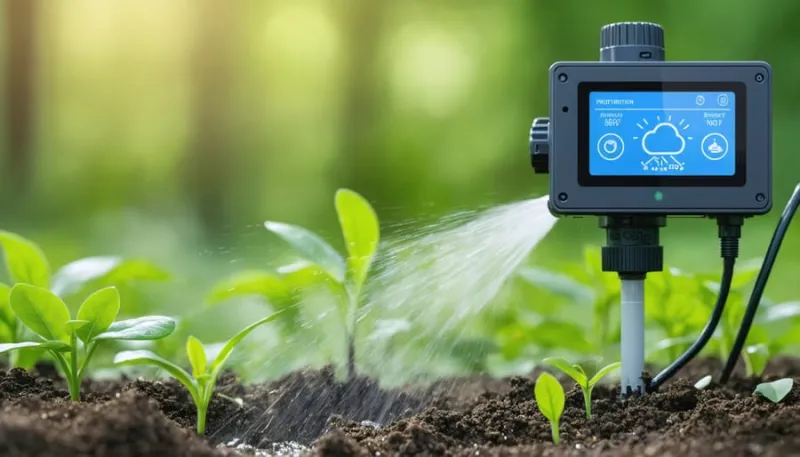
Moisture, Meet Your Match: How to Safeguard Your Smart Home Devices in Wet Environments

Photo by Photo by GoGoNano on Unsplash on Unsplash
The average American home now contains more than a dozen connected devices — smart speakers, thermostats, security cameras, voice assistants, and lighting controllers woven into nearly every room. What many homeowners fail to account for, however, is that some of the most convenient locations for these devices — a bathroom shelf, a kitchen countertop, a backyard patio — are also environments where moisture poses a genuine and persistent threat to electronics.
Water damage is one of the leading causes of premature device failure, and unlike a cracked screen or a dead battery, moisture intrusion often works silently. By the time a device stops functioning, the internal corrosion may already be irreversible. At HiWatronic, we believe that powering your world with smarter technology starts with understanding how to protect it.
The Hidden Danger in Everyday Spaces
Humidity levels in a typical American bathroom can spike to 90% or higher during a hot shower. Kitchen environments fluctuate constantly between steam from cooking, splashes from the sink, and the general moisture that accumulates near dishwashers and refrigerators. Outdoor spaces, meanwhile, expose devices to rain, morning dew, temperature swings, and condensation — all year long.
Standard consumer electronics are not engineered to withstand these conditions. A smart speaker rated for dry indoor use will begin to suffer internal oxidation when consistently exposed to high humidity. Circuit boards corrode. Speakers distort. Batteries degrade faster. The result is a device that underperforms and fails well ahead of its expected lifespan.
The solution is not to remove technology from these spaces — it is to deploy the right technology with the right protections in place.
Decoding IP Ratings: What the Numbers Actually Mean
The most reliable indicator of a device's ability to withstand moisture is its Ingress Protection (IP) rating, a standardized classification defined by the International Electrotechnical Commission (IEC). You will find these ratings printed on packaging or listed in product specifications, typically formatted as "IP" followed by two digits.
The first digit indicates protection against solid particles, such as dust, on a scale of 0 to 6. The second digit — the one most relevant to moisture — indicates protection against liquids, on a scale of 0 to 9.
Here is a practical breakdown of the most common liquid-protection ratings:
- IPX4: Protected against water splashing from any direction. Suitable for kitchen countertops and bathroom shelves where occasional splashes are likely.
- IPX5: Withstands low-pressure water jets. Appropriate for areas near sinks or outdoor spaces with light rain exposure.
- IPX6: Resistant to powerful water jets. Recommended for outdoor devices in regions with heavy rainfall or high-pressure cleaning environments.
- IPX7: Can be submerged in up to one meter of water for 30 minutes. Ideal for poolside installations or any space where submersion is a realistic possibility.
- IPX8: Rated for continuous submersion beyond one meter, with depth and duration specified by the manufacturer. The highest standard for consumer devices.
For most bathroom and kitchen applications, a rating of IPX4 to IPX5 provides adequate protection. Outdoor security cameras and smart irrigation controllers benefit from IPX5 or higher. Pool and spa environments should always involve IPX7-rated devices at minimum.
Practical Strategies for Device Protection
Beyond purchasing devices with appropriate IP ratings, there are several additional measures that significantly extend device longevity in humid environments.
Strategic placement matters. Even an IPX5-rated device should not be mounted directly above a steaming stovetop or positioned where water will pool around its base. Elevating devices, ensuring adequate ventilation, and directing them away from direct water flow reduces cumulative exposure.
Use protective enclosures for non-rated devices. If a device you already own lacks an adequate IP rating, purpose-built weatherproof enclosures and silicone protective covers can provide a meaningful layer of defense. These are particularly useful for smart plugs and outlet-based devices in outdoor settings.
Monitor ambient humidity. Smart hygrometers — compact, inexpensive sensors that track temperature and humidity — can alert you when conditions in a room are approaching levels that could damage unprotected electronics. Pairing one with a smart exhaust fan in your bathroom creates an automated system that manages moisture before it becomes a problem.
Consider cable and connector vulnerability. Even a fully rated device can be compromised at its charging port or cable connection point if those components are not equally protected. Look for devices with sealed charging ports or wireless charging capabilities when deploying in high-moisture zones.
HiWatronic's Recommended Moisture-Resistant Tech Categories
At HiWatronic, our product curation prioritizes devices that balance full smart-home functionality with verified environmental durability. When outfitting wet or humid spaces, we recommend focusing on the following categories:
Waterproof Bluetooth Speakers (IPX7 and above): Modern waterproof speakers deliver premium audio quality without compromising on moisture resistance. Look for models with sealed button interfaces and rubberized housing for full bathroom or poolside use.
Outdoor Smart Security Cameras (IP65 or IP67): A dual-rated camera — protected against both dust ingress and sustained water exposure — is essential for perimeter security in any US climate. Models with heated housings are particularly well-suited for northern states with freezing winter conditions.
Smart Bathroom Displays and Mirrors: Several manufacturers now produce integrated smart mirrors with embedded displays, rated for the humidity levels typical of enclosed bathrooms. These combine functionality with purpose-built moisture resistance.
Weatherproof Smart Outlets and Switches: Outdoor smart plugs rated IP44 or higher allow homeowners to automate holiday lighting, landscape features, and patio appliances without risking electrical hazards from moisture exposure.
Sealed Smart Sensors: Leak detection sensors and humidity monitors designed for under-sink or basement deployment should carry at minimum an IP67 rating, ensuring they continue functioning accurately even if briefly submerged during a flood event.
Building a Moisture-Aware Smart Home
A truly resilient smart home is one that accounts for the full range of environmental conditions its devices will encounter. Moisture is not an edge case — it is a daily reality in the spaces where we cook, bathe, and spend time outdoors. Treating it as such from the outset, rather than after a device failure, is the mark of a thoughtful and informed technology consumer.
At HiWatronic, we are committed to helping you make purchasing decisions grounded in both performance and durability. Explore our curated selection of moisture-resistant and waterproof smart home devices at hiwatronic.com, and build a connected home that is engineered to last — regardless of what the environment throws at it.